

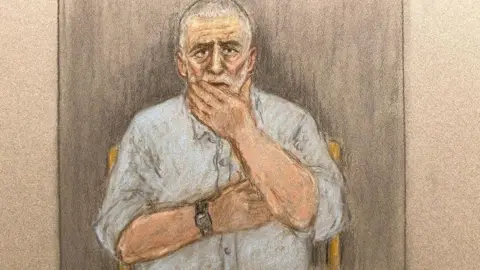
Considering he who's lost nearly 40 years of his life because of a crime he was innocent of, Peter Sullivan strikes a remarkably positive tone.
In our conversation last month, for what was his debriefing session since being released from prison in May, he was enthusiastic and eagerly anticipating getting to Anfield to watch Liverpool play for the initial occasion since he was taken into custody in 1986.
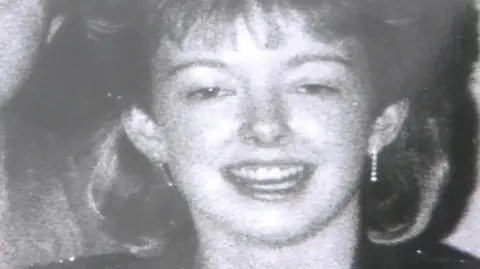
That was the year of the sexual attack murder of Diane Sindall in his birthplace of Birkenhead - an incident he said he was merely aware of because someone turned to him in a pub at the time and said, "allegedly there's been a murder".
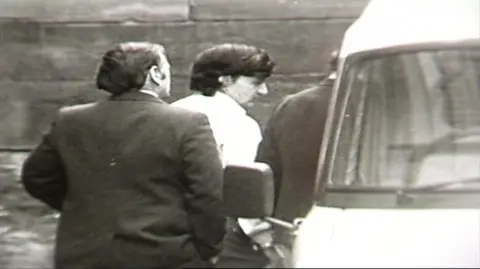
When he was sentenced the following year at Liverpool Crown Court - he was destined to a extended term in some of Britain's most secure category A prisons where he would be persecuted by his tabloid nicknames "The Wirral Predator", "The Mersey Ripper" and "The Wolfman".
Adjusting to a Digital World
Ahead of our conversation, he was abundant with tales about how since his freedom he has had to adapt to a radically changed world.
When he was taken into custody, Margaret Thatcher was in Downing Street, the concept of the internet and Europe was still divided by the Iron Curtain.
He recalled watching the fall of the Berlin Wall from a shared television in prison.
Mr Sullivan described how trips to the shops now show how "the world has transformed" - from trying to figure out how self-checkouts operate to realising that "in place of having a cheque book, you've got it on your phone".
Digital Surprises
His incarceration means he has been ignorant of the way so many facets of everyday life have changed - comparable to someone who has been unconscious since the 1980s.
"Having endured so long in prison and finding out there's no DHSS [Department of Health and Social Security, now the Department for Work and Pensions (DWP)] where you can collect your money - you're thinking, 'Goodness, what's going on here?'"
He now has a digital phone, after finding out doctor's appointments need to be scheduled on something he now knows is called an 'application'.
He first became knowledgeable about them when he was traveling on a bus shortly after his release and saw people operating smartphones. He only realised they were phones when he saw someone put one to their ear.
Emotional Consequences
Mr Sullivan's 14,000 days in custody have also led to an predictable sense of system dependency.
He described how after his release, one morning in his flat he went back to his bedroom and sat down on his bed, because he was subconsciously waiting for a prison officer to come and lock him back into his cell.
"You've got to be at your door at a specific hour, otherwise the officers will go off at you", he said.
"I found myself thinking, 'What's happening?'"
Desiring Closure
But Mr Sullivan's optimism is balanced by a yearning for answers about how he ended up being charged with an high-profile murder that he had no part in, and a bewilderment about why he still has not had an admission of error.
"My entire life vanished", he said.
"I lost all my freedom, I lost my mother since I've been in prison, I've lost my father.
"It hurts because I was absent for them", he said.
"I can't carry on with my life if I can't get an response off them."
"That's all I want, an apology [and to understand] the explanation for they've done this to me", he said.
Authorities Statement
Merseyside Police said "there would be little benefit to be gained for a reassessment of this matter today" because of "the changes to investigative techniques and progress in the law over the last 40 years".
The force did submit some of Mr Sullivan's allegations to the police regulatory agency, the Independent Office for Police Conduct (IOPC), who will now investigate his claims that officers physically abused him and threatened to link him to other crimes if he didn't plead guilty to Diane Sindall's murder.
When asked if it would issue an apology, the force did not directly answer the question, but as part of a comprehensive declaration it said: "The force regrets that there has been a serious failure of justice in this case".
Looking Ahead
Mr Sullivan told me about his basic aspiration - an ambition that he said he had given up of being able to realise at some points over his approximately 38 years behind bars.
"All I want to do now is continue with my own life and move forward as I was before, and enjoy my remaining years now".
His prospects may be made more manageable by government monetary award, paid to individuals affected of wrongful convictions.
This system is restricted at £1.3m, a cap which it is estimated his resulting award will get very close to.
But the procedure is not guaranteed, and it is time-consuming.
Andrew Malkinson, whose guilty verdict for a rape he had no involvement in was overturned in 2023, was only granted an provisional award earlier this year.
Guilty prisoners who confess to their crimes and are released get a accommodation and some assistance for living expenses. Mr Sullivan, as an innocent man, is not entitled to that help.
And so he is surviving a basic lifestyle, with his basic aspirations - although many believe he is a millionaire in waiting.
His attorney, Sarah Myatt, said "there's not a figure that you could say that would be adequate for forfeiting 38 years of your life".


